Welder Training and Qualification
Great Lakes Welding Consultants delivers comprehensive onsite welder training and certification programs customized to your workforce and production requirements, with a strong emphasis on safety, welding technique, and quality assurance. Courses combine classroom instruction, hands‑on skills development, and formal qualification testing to ensure welders are competent, safe, and capable of producing code‑compliant welds across production and repair environments.
Program highlights:
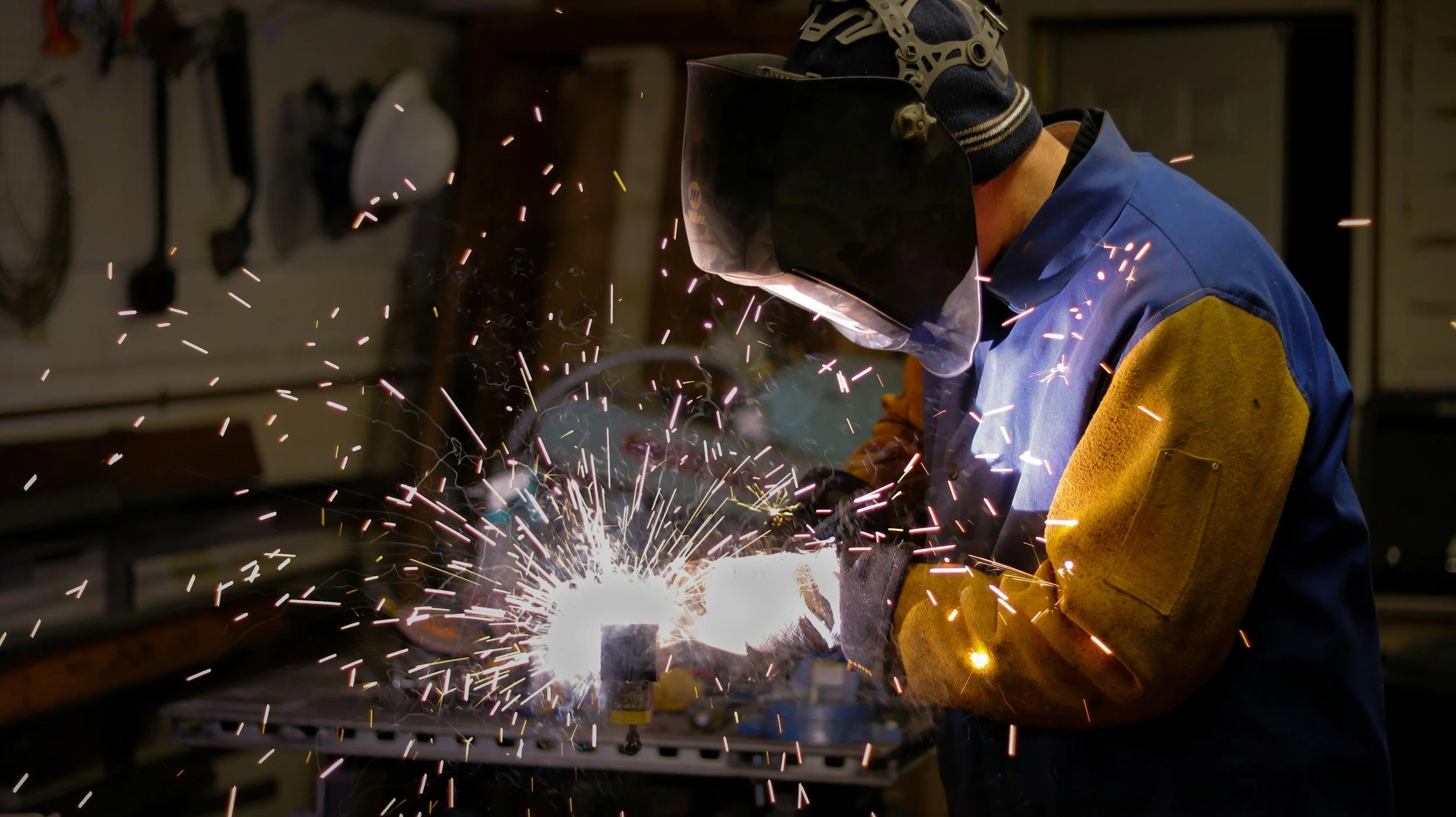
- Safety and workplace controls: detailed instruction on welding PPE, respiratory protection and ventilation, fire prevention, hot work permitting, lockout/tagout, ergonomic practices, and cell/area hazard assessments to reduce injury and incident risk.
- Welding fundamentals and theory: welding metallurgy, heat input management, distortion control, joint design considerations, preheat/postheat and interpass temperature control, consumable selection, weld symbols and drawing interpretation, and common defect causes and prevention.
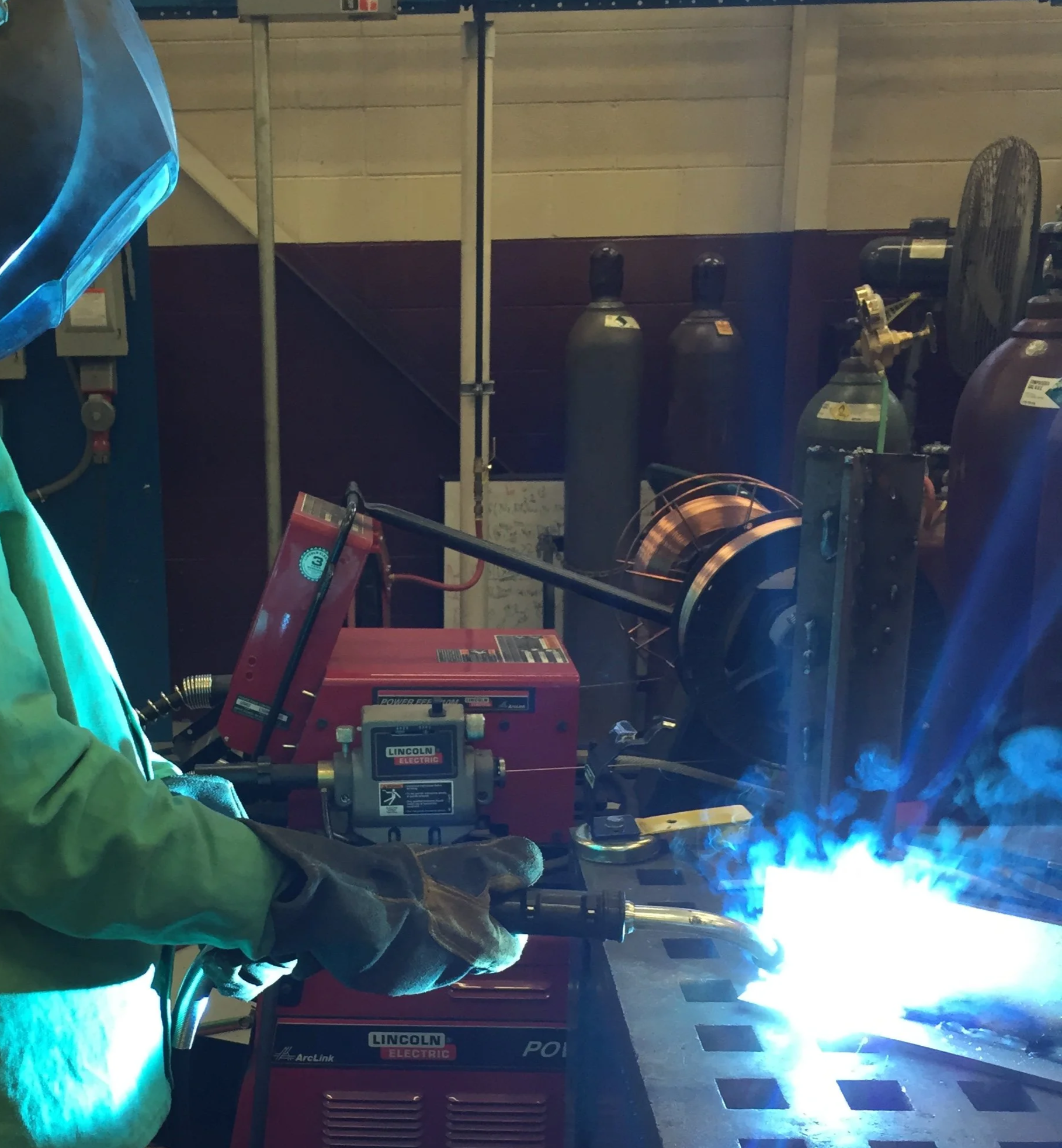
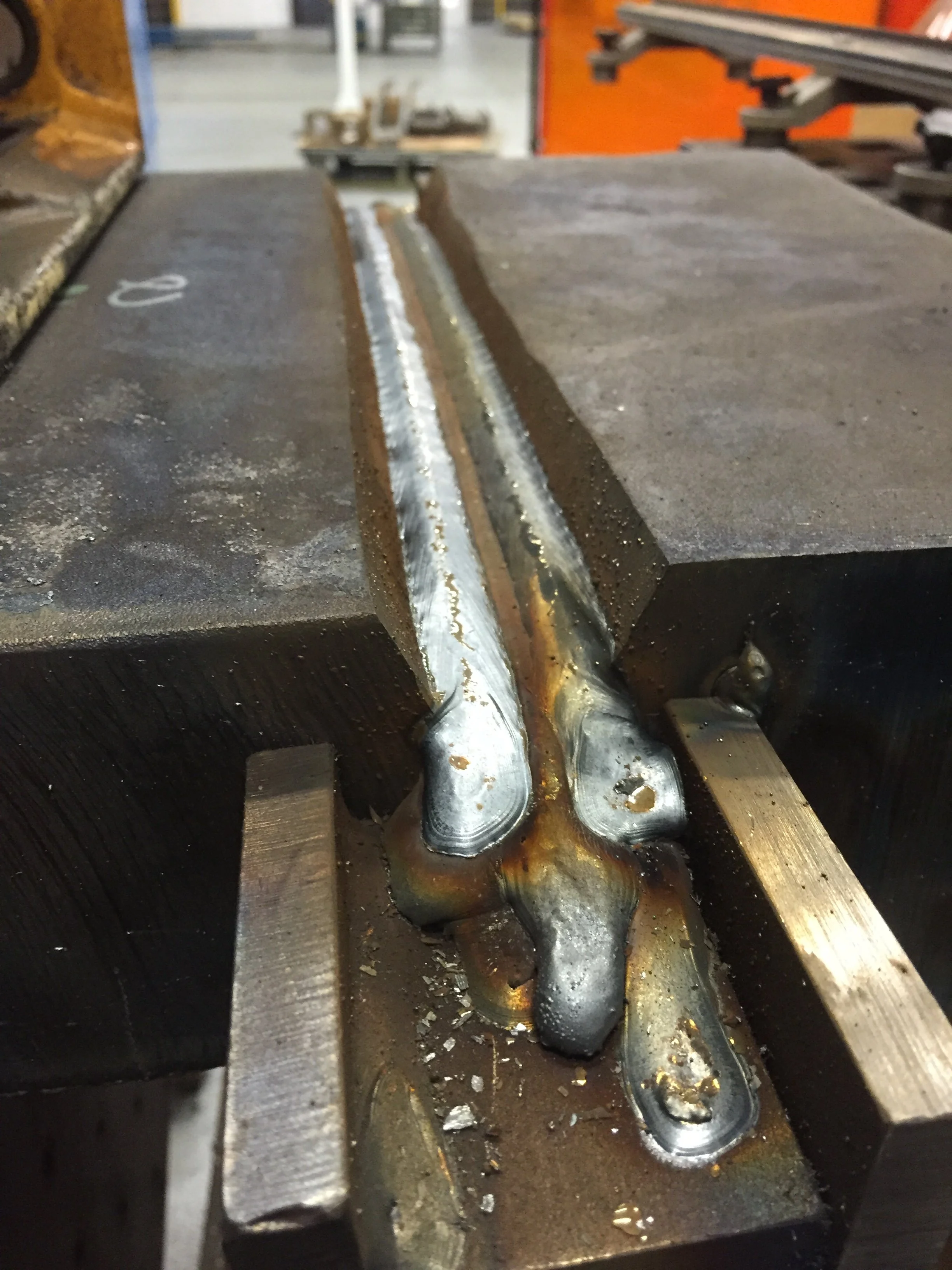
- Process‑specific technique and parameter control: practical, instructor‑led training and procedure familiarization for Oxy‑Fuel Welding (OFW), Gas Metal Arc Welding (GMAW/MIG), Gas Tungsten Arc Welding (GTAW/TIG), Shielded Metal Arc Welding (SMAW/Stick), Submerged Arc Welding (SAW), and Flux‑Cored Arc Welding (FCAW). Emphasis is placed on torch/torch angle, travel speed, arc length, electrode/wire manipulation, weld bead profile, multi‑pass technique, and consistent parameter application to achieve specified mechanical properties and NDT acceptance levels.
- Quality assurance and inspection: integrated training on acceptance criteria, visual inspection, destructive and nondestructive testing (UT, RT, MT, PT), weld procedure qualification (WPS/PQR) fundamentals, documentation practices, and root‑cause analysis and corrective action for recurrent defects.
- Code and qualification alignment: curriculum mapped to applicable codes and standards (AWS, ASME, ISO, or client‑specific specifications), with structured qualification testing (performance coupons, joint types, positions, and NDT as required) and documented certifications tied to job and code requirements.
- Assessment, recordkeeping, and continual improvement: formal practical and theoretical assessments, welder performance records, expiry and recertification planning, and recommendations for shop floor controls and monitoring to sustain competency and quality over time.
- Tailoring and support: programs scaled for novice to advanced skill levels, bespoke modules for specialty alloys or production processes, and optional add‑ons such as process audits, WPS development, in‑process mentoring, and post‑training performance verification.
Graduates receive documented qualifications and a training record suitable for client files and code compliance, helping to reduce weld rework, improve first‑pass yield, and embed a safety‑first, quality‑driven welding culture across your operations.