Weld Process Optimization
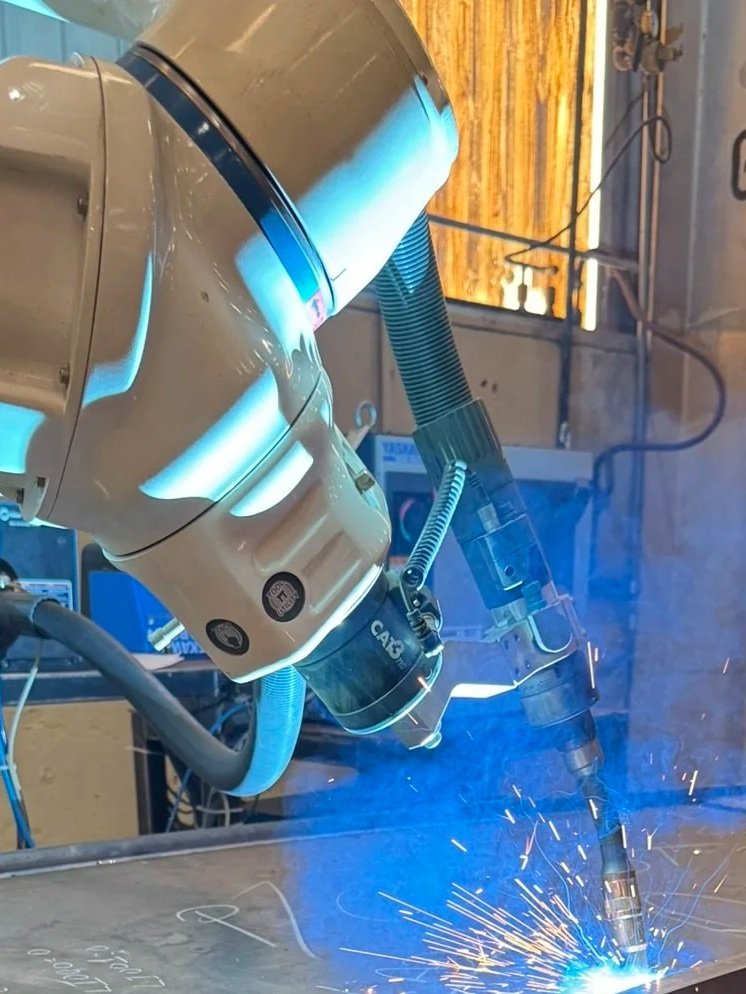
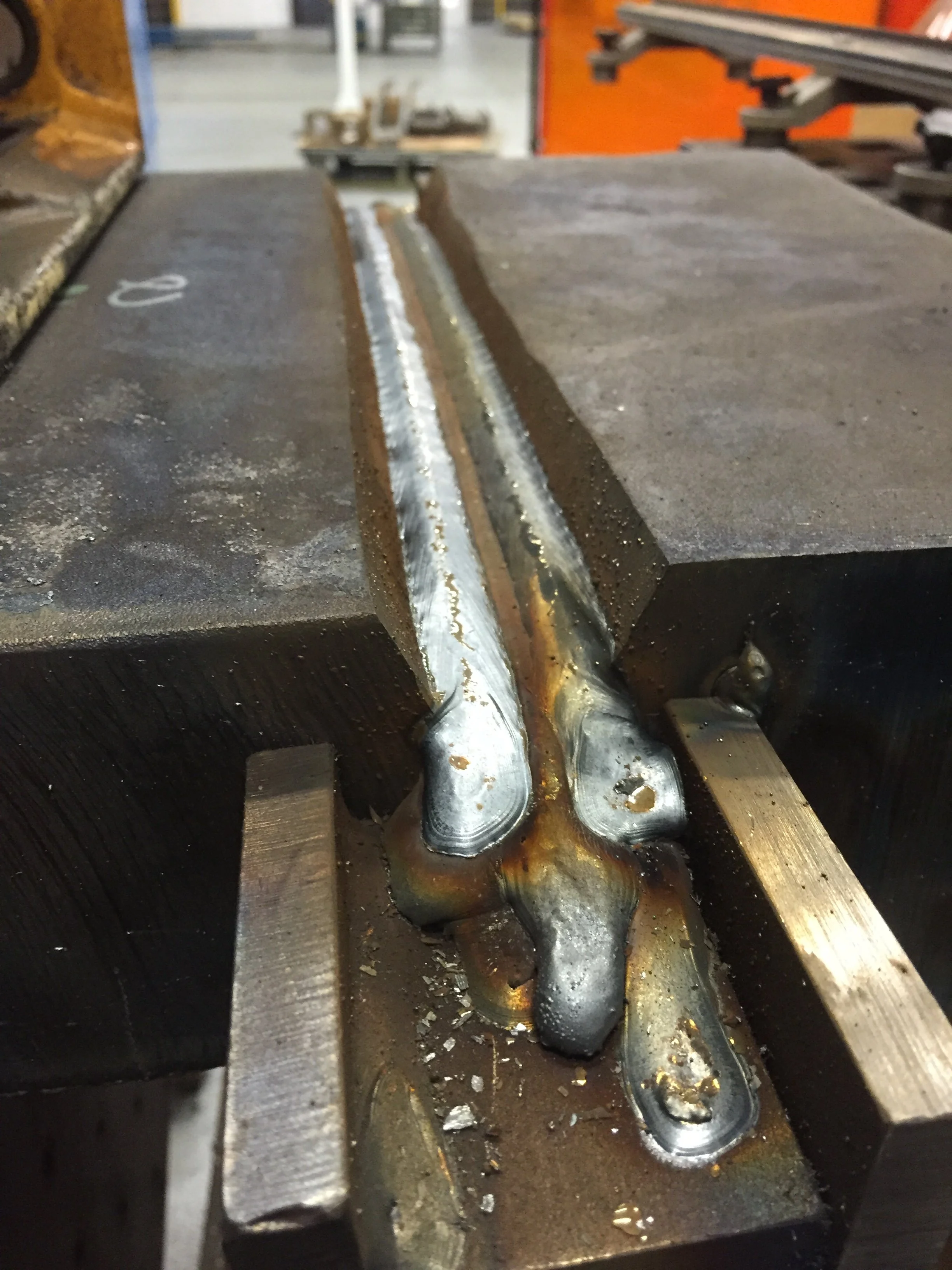
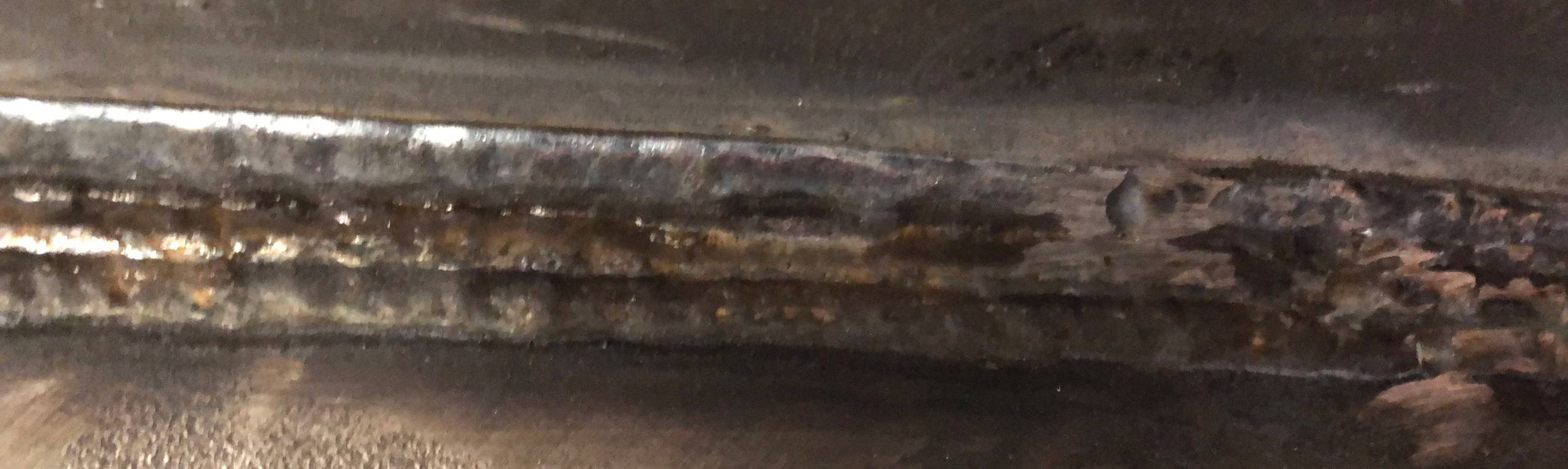
Weld process optimization streamlines welding parameters, consumables, and techniques to improve efficiency, consistency, and part quality. We analyze joint design, equipment settings, and operator practices, run controlled trials and data-driven adjustments, and implement validated welding procedures. The outcome is reduced cycle time and scrap, improved mechanical properties, and repeatable production-ready processes. Weld process optimization refines welding parameters, consumables, and techniques to enhance efficiency, consistency, and component quality across production. We begin with a comprehensive study of current conditions—including equipment capability, operator practices, joint and fixture design, production velocity, and existing quality metrics—benchmarked against applicable design requirements and standards. Through data collection, controlled trials, and statistical analysis, we identify process sensitivities and validate parameter windows that deliver robust, repeatable results. The validated welding procedures are documented, implemented, and supported with operator training, control plans, and acceptance criteria to sustain improvements. We conclude with a professional recommendation report that prioritizes actions, projects expected gains (cycle time, yield, mechanical performance), and outlines an implementation and monitoring plan to ensure lasting performance.